🧥 Gentle Wear: Practical Tips to Prevent Pet Coat Chafing and Skin Irritation
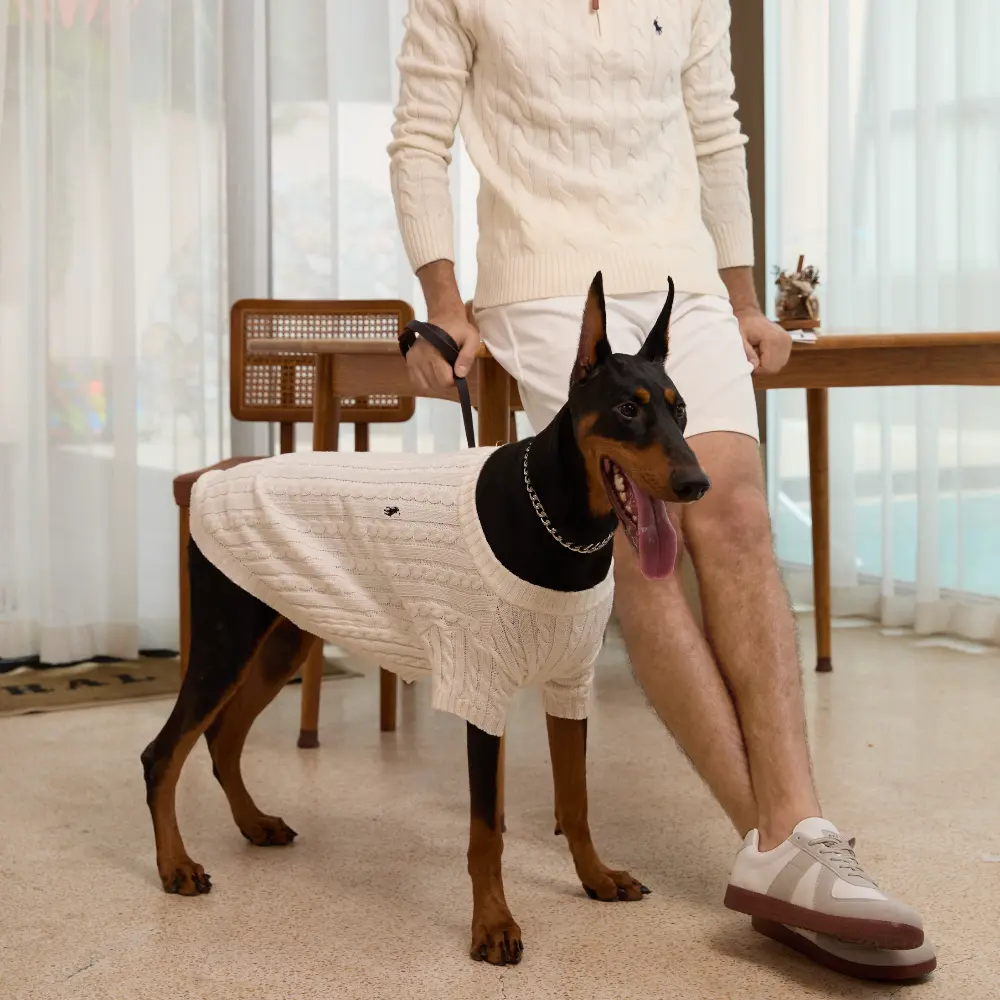
Pet coats offer warmth and style, but if chosen or worn improperly, they can cause skin chafing, irritation, and even hair loss. This risk is especially high for short-haired, deep-chested breeds like the Doberman. Premium pet care means never sacrificing comfort while pursuing fashion.
Here are the essential tips for achieving zero-friction comfort in your pet's wardrobe.
I. 🧥 Base Layer Strategy: The "Silky" Isolation Barrier
The simplest and most effective way to prevent chafing is to place a soft barrier between the outer coat and the skin.
Choose the Right Base Layer: We recommend using a thin, snug, and skin-friendly base layer, such as:
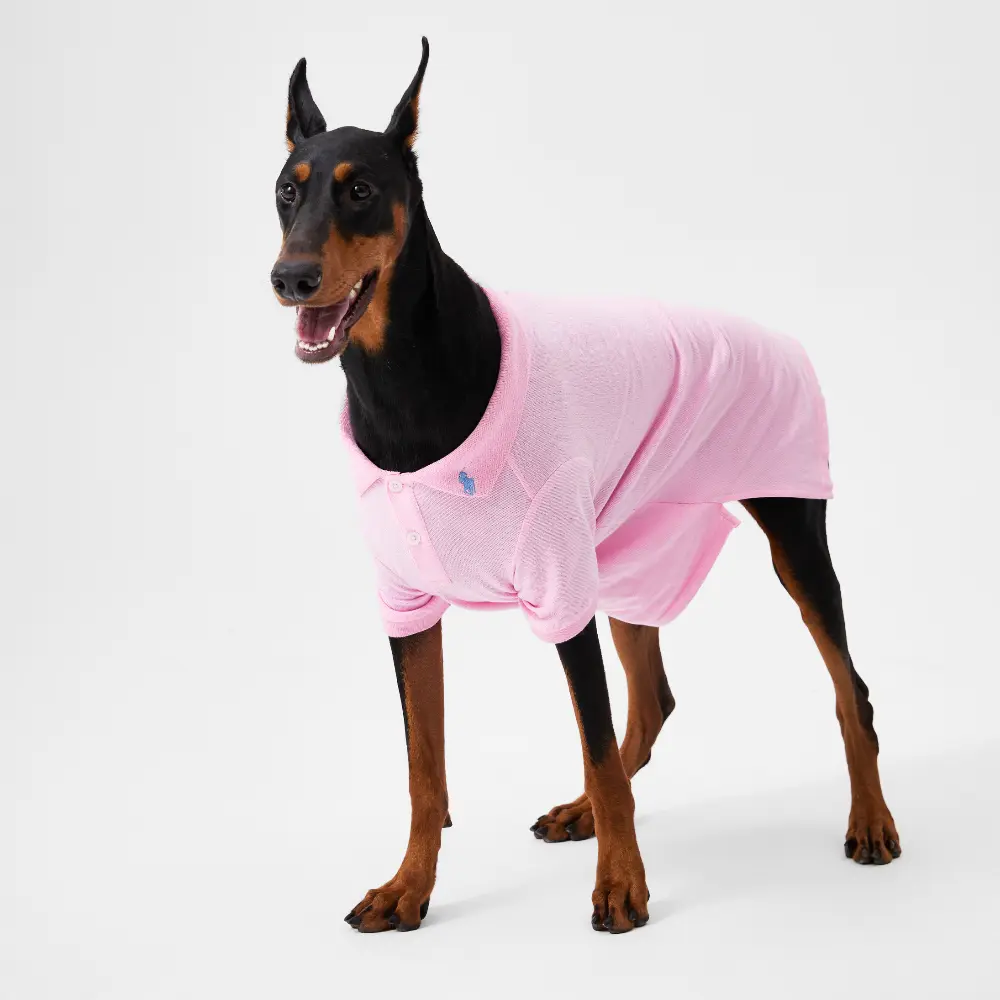
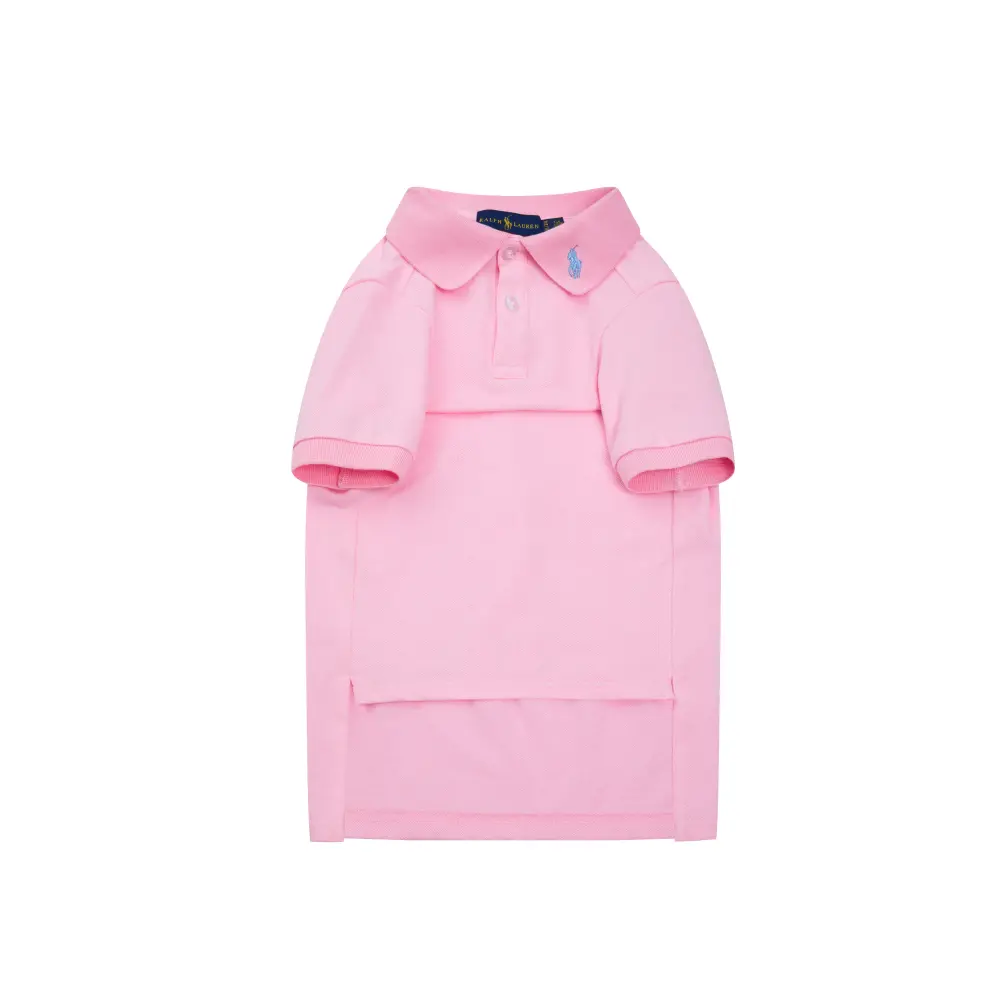
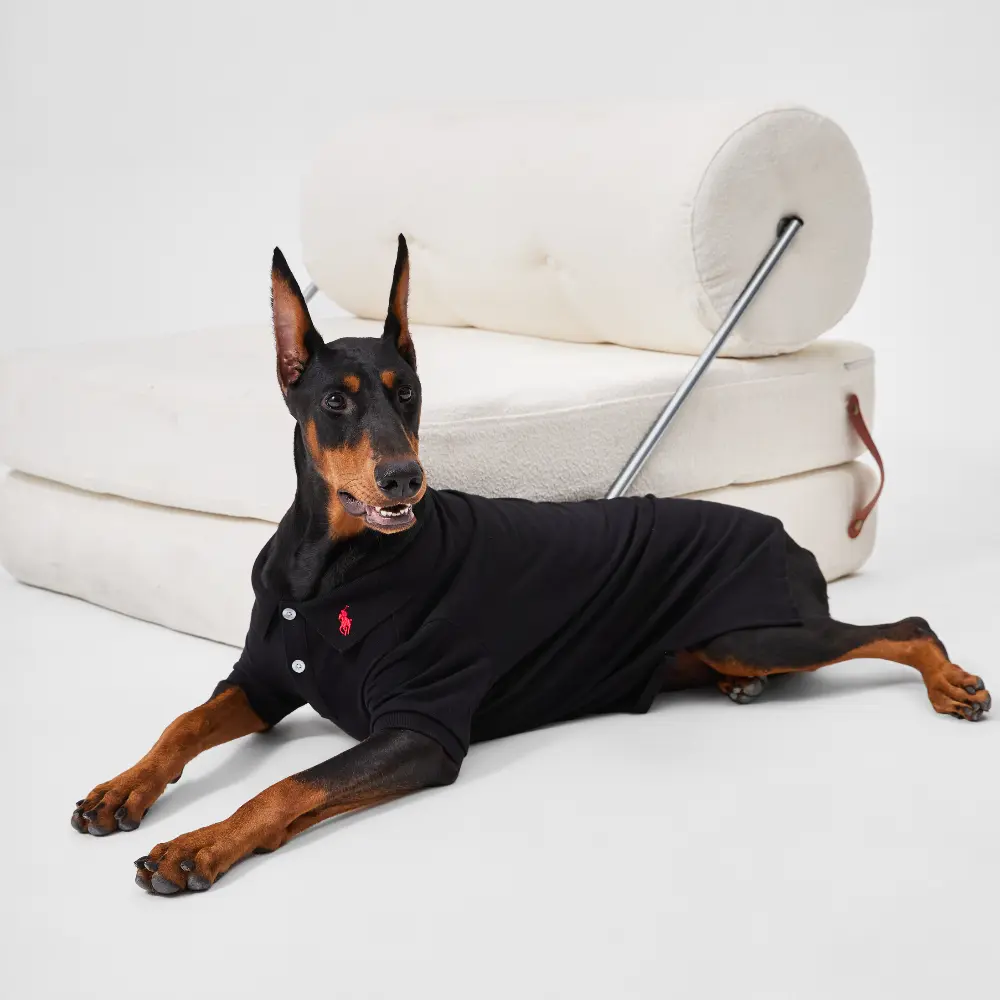
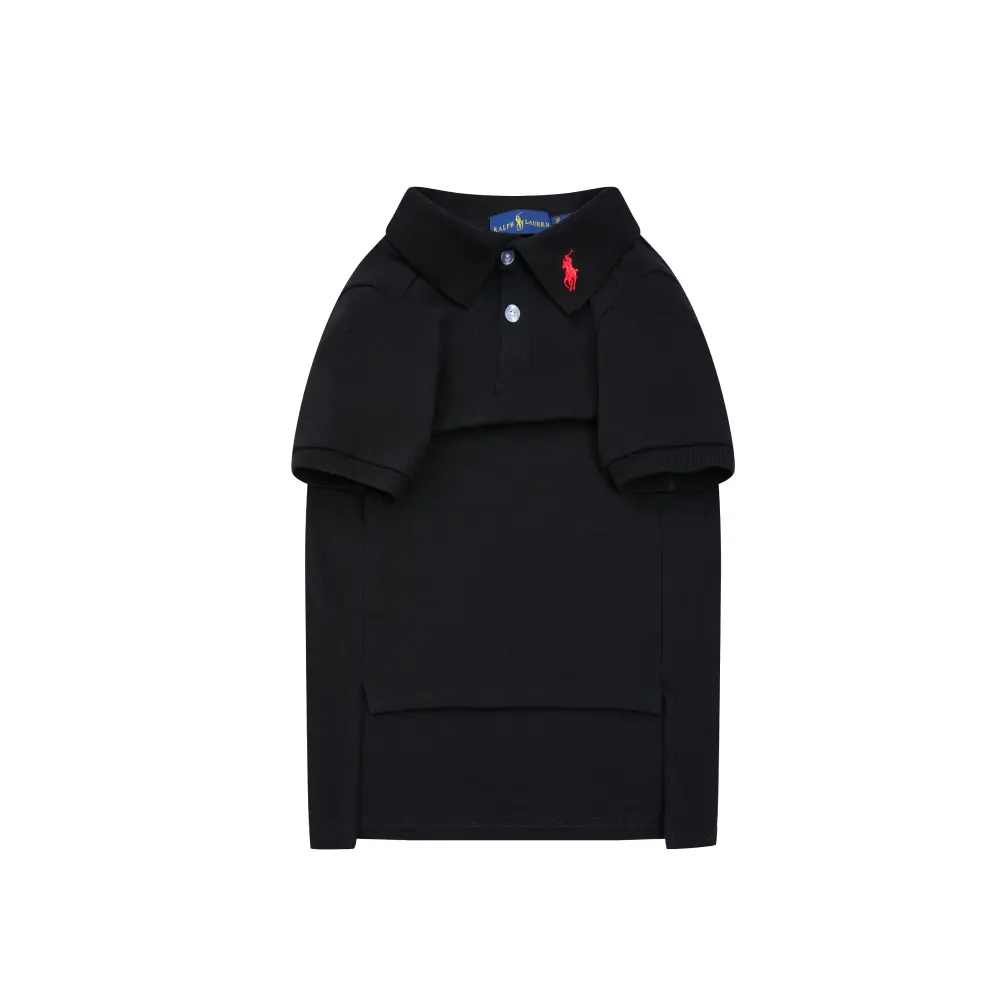
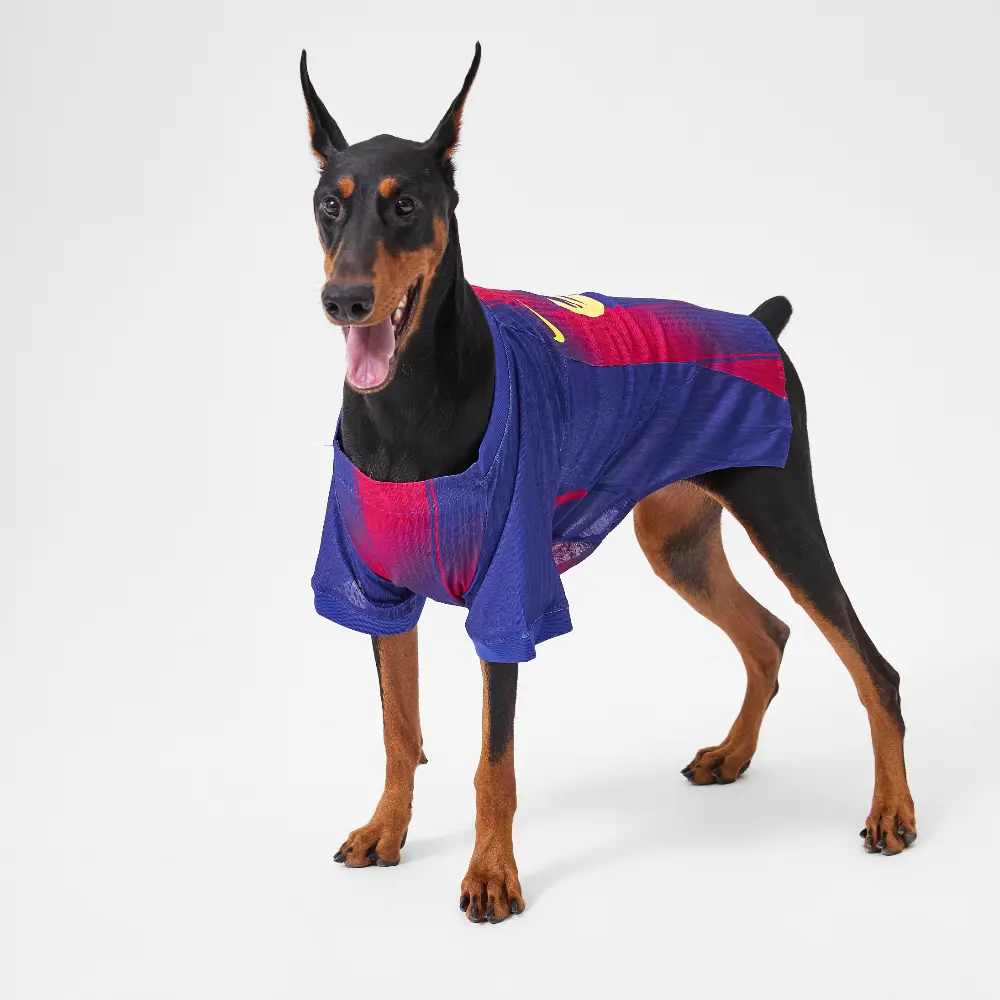
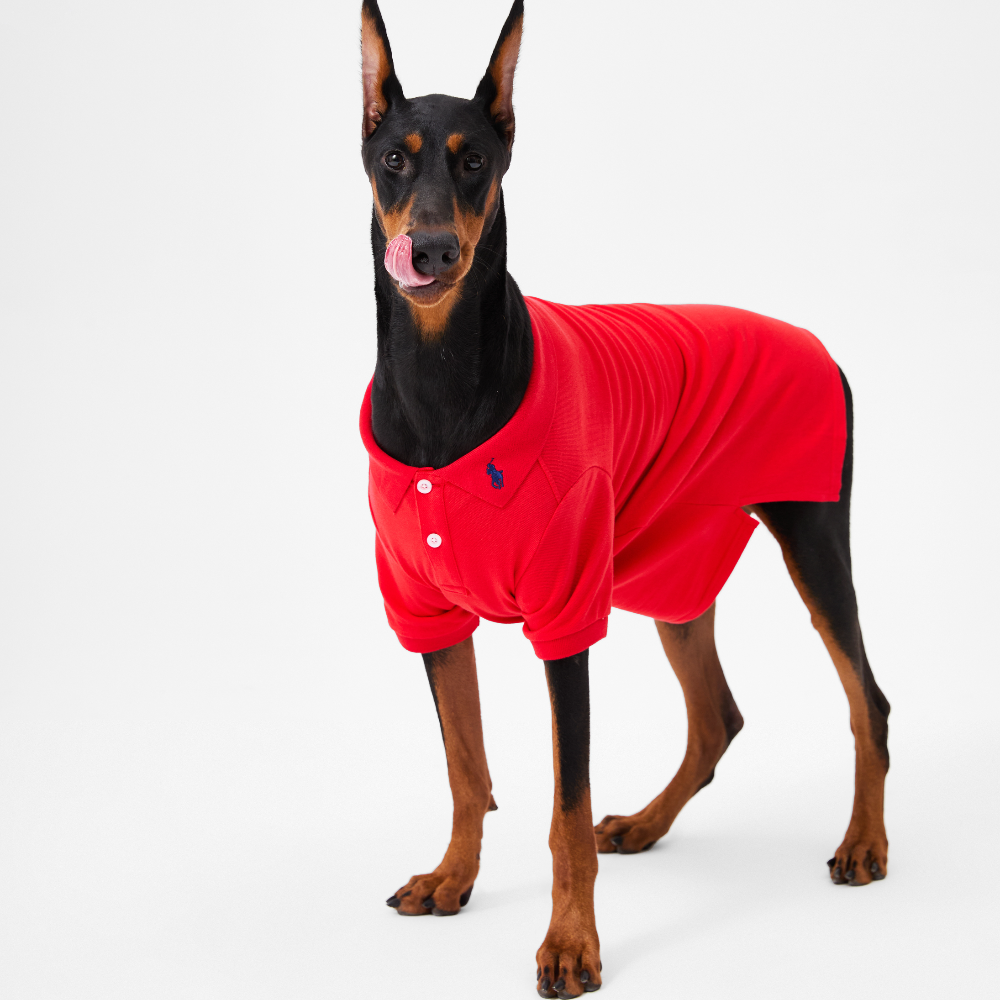
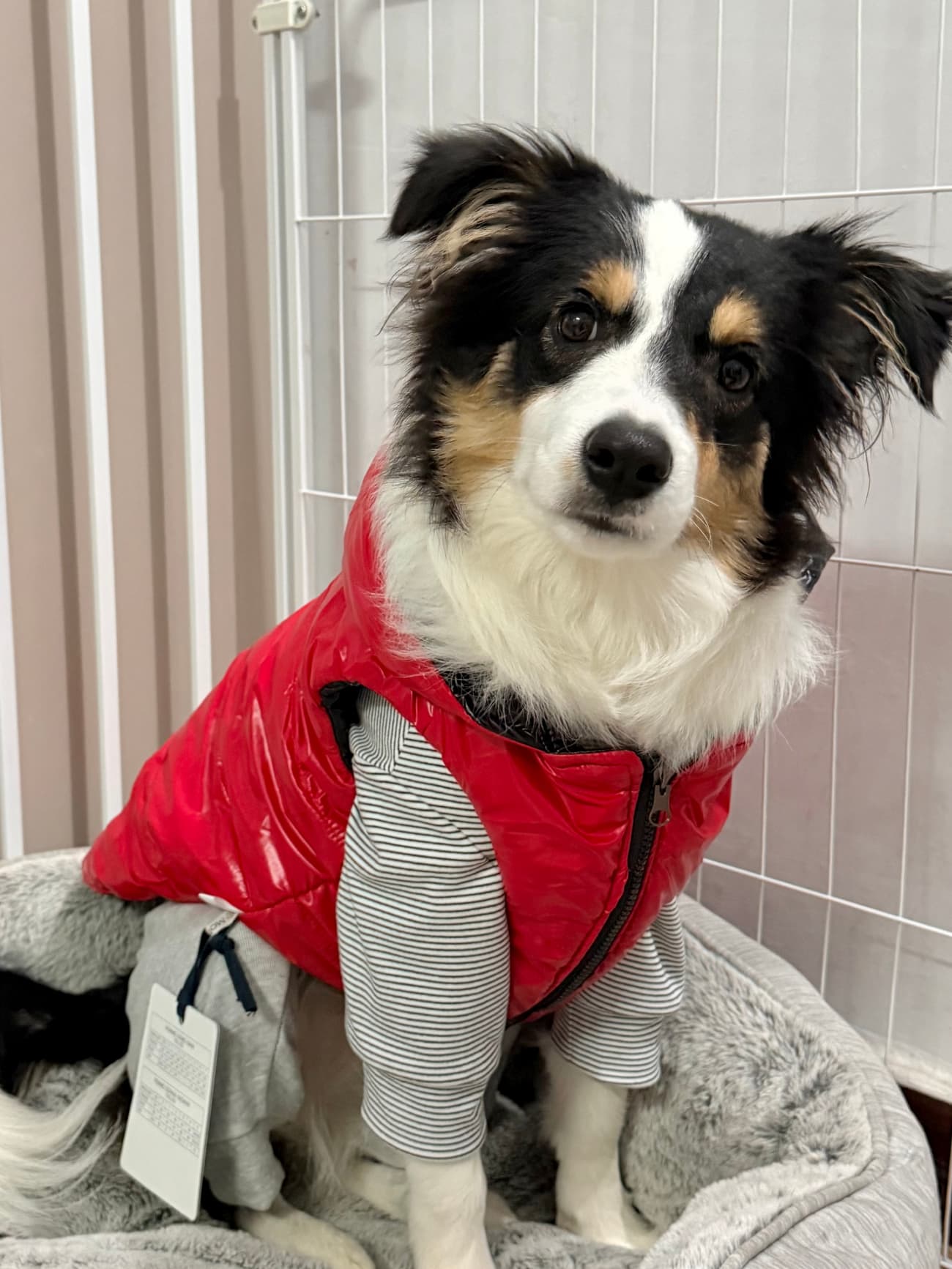
Recycled Cotton Polo Shirt: A Polo shirt, like the black or plaid styles discussed, is soft and breathable. Worn as a base layer, it effectively isolates the skin from the potentially rough inner lining of puffer jackets or wool materials.
Silky Materials (e.g., Modal): These provide a "slippery" feel that minimizes friction against the outer coat's inner lining.
Emotional Value: A soft base layer provides a second layer of security, preventing the skin from direct contact with cold outer fabrics and enhancing the overall comfort level.
II. 🔬 Outerwear Inspection: Checking Key Friction Zones
When selecting an outer coat, you must carefully inspect the areas most prone to friction.
Neck and Shoulder Area:
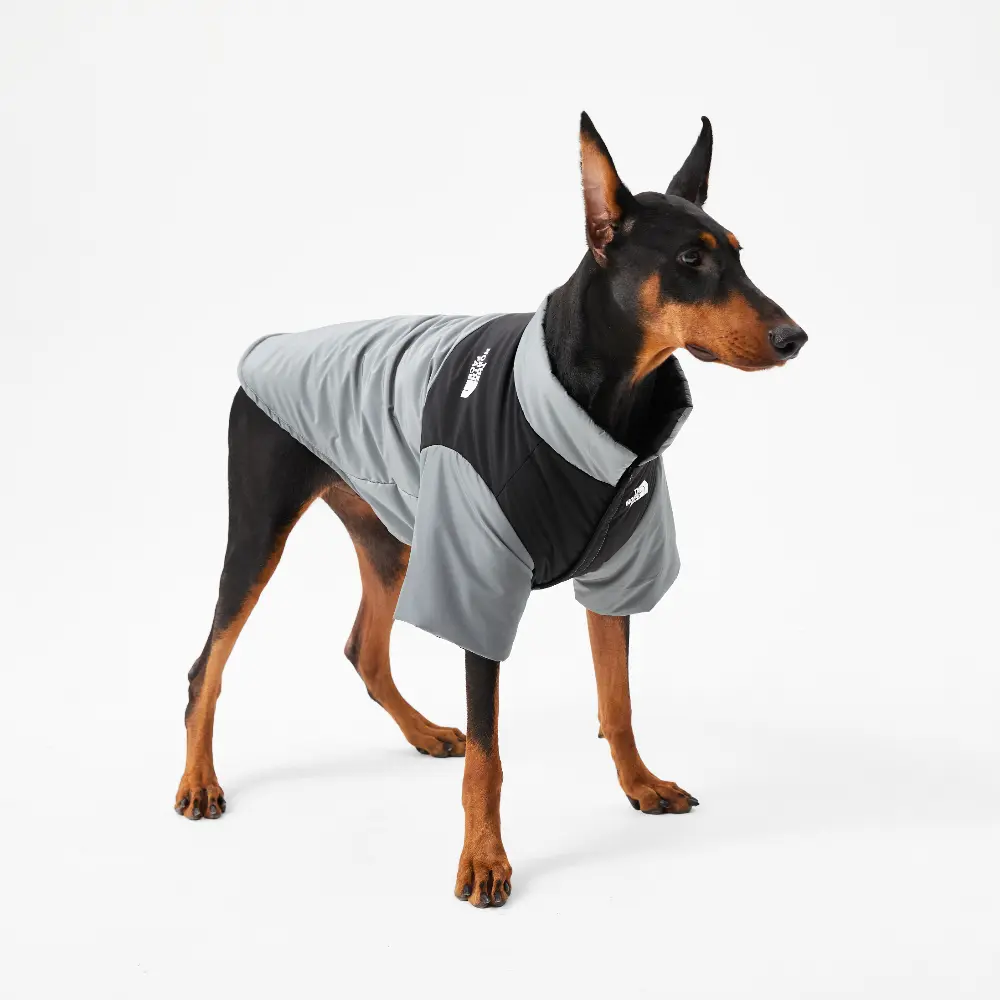
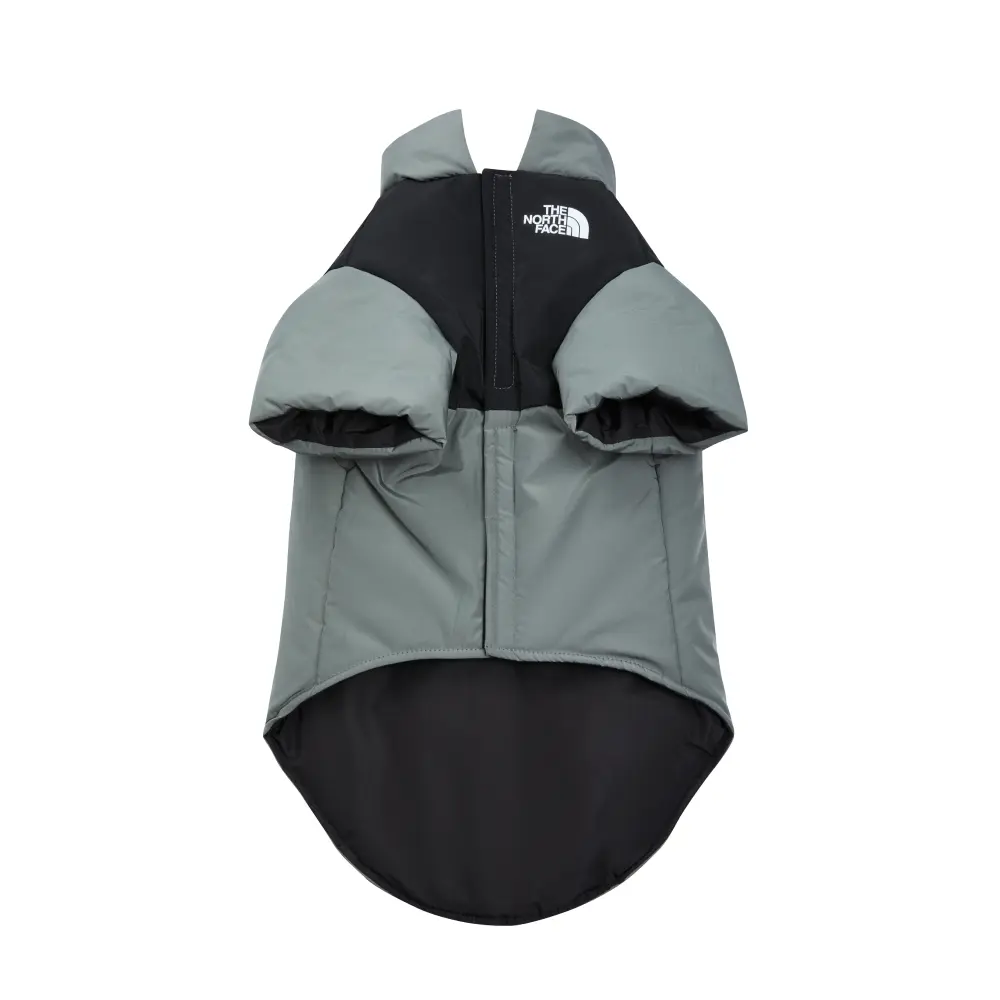
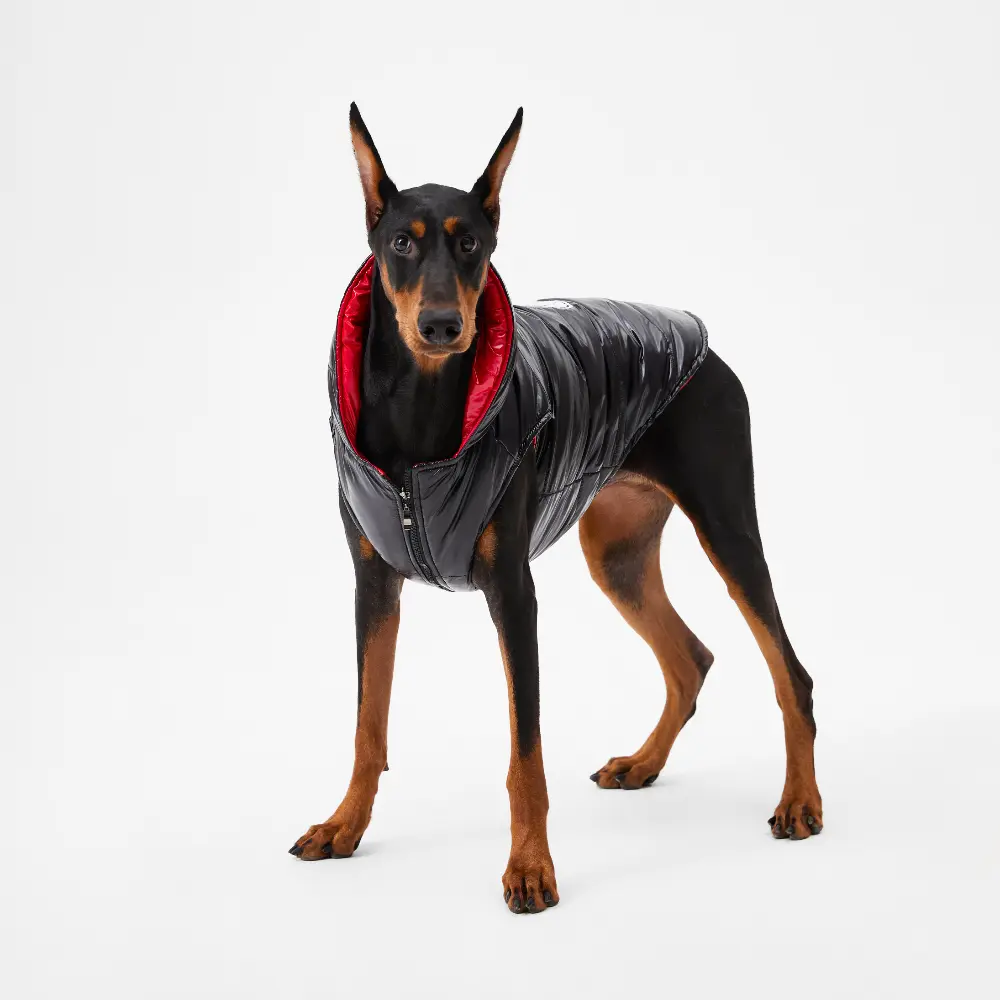
Tip: Avoid overly high stand collars or very tight neck designs. If the jacket has a high collar (like a puffer jacket), ensure the lining material is soft and smooth.
Practicality: For short-haired dogs, ensure internal tags are covered or removed, preventing the tag edge from directly irritating the skin.
Leg Opening and Armpit (Sleeveless Design):
Tip: For sleeveless designs, the armpit opening must be flat and softly bound. Choose a slightly looser opening to ensure the pet’s front legs have maximum freedom of movement.
Caution: Avoid rough seams or protruding threads near the armpits.
Zippers and Fasteners:
Tip: Ensure the zipper has a protective fabric flap underneath to prevent the zipper teeth or metal from touching the pet's back skin. Fasteners (like snaps) should be flat and non-protruding.
III. 📏 Tailoring Calibration: Fit Equals Anti-Chafe
Chafing often stems from a poor fit. Precise tailoring can fundamentally eliminate friction.
Curved Hem for V-Shaped Breeds (e.g., Doberman): For deep-chested dogs, the jacket's belly hem must use a curved or high-cut design. This prevents scraping the groin area when the hind legs are lifted.
Avoid Excessive Looseness: Clothes that are too loose will shift and wrinkle during activity, ironically increasing friction. The coat should fit snugly around the core body, but maintain ample mobility space around the limbs.
Emotional Value: A well-fitted garment allows the pet to run comfortably and without burden. They won't resist or feel anxious due to discomfort, thereby enhancing their trust in outdoor exploration.
Conclusion: Attentive dressing is part of premium pet care. By choosing a soft base layer, carefully inspecting the friction points of the outer coat, and ensuring the tailoring fits the breed's physique, you can ensure your pet enjoys warmth and style with a zero-friction experience.
👑 Explore The Timeless Design