
📊 Official Outlook: Analyzing Key Sustainable Pet Fashion Trends and Market Growth

Sustainable Pet Fashion Trends are no longer a niche segment; they represent one of the fastest-growing and most strategically significant areas of the global pet economy. This analysis provides a forward-looking perspective for both brands and consumers, derived from macro trends and stringent industry requirements.
I. 📈 Market Drivers: Humanization and Premiumization
The global market for sustainable pet products is robust, valued at approximately USD 35.1 Billion in 2024 and projected to grow at a Compound Annual Growth Rate (CAGR of 7.6% between 2025 and 2034) – a testament to its strategic importance. The core forces driving this market acceleration include:
1. The 'Pet Humanization' Imperative
The shift in pet identity is the foundation of all premiumization. Over 80% of owners view their pets as "family members" or "children." This deep emotional bond justifies a price premium, necessitating that product standards—in manufacturing, safety, and ethical sourcing—must align with human-grade goods.
2. The Extension of Environmental Consciousness
Consumer demand for sustainability has extended from personal items to pet products. Consumers are actively seeking eco-friendly alternatives, compelling brands to innovate in raw materials, formulas, packaging, and supply chain transparency to meet these environmental demands.
3. The Rise of Mid-to-High-End Aesthetics
The pet apparel segment is seeing significant growth in demand for fashion-forward, premium products. Sustainability and high aesthetic value are no longer mutually exclusive; instead, they are the key to building a differentiated competitive edge for discerning brands specializing in Sustainable Pet Fashion Trends.
II. 🌍 Industry Compliance and Future Directives
To secure a dominant position in the premium Sustainable Pet Fashion Trends market, brands must fully embrace the following directives and principles:
1. Rejecting Fast Fashion: Focusing on Product Lifecycle
Official trends explicitly hold brands accountable for a product's durability and longevity.
Design Mandates: Design must reject disposable, single-season items. The focus must be on timeless, classic, and multi-functional designs, aligning perfectly with the principle of lasting durability and non-obsolescence emphasized by high-end brands.
End-of-Life Responsibility: Priority must be given to materials that are recyclable, biodegradable, or suitable for Upcycling to minimize waste generation at the source.
2. Compliance & Transparency: The ESG Mandate
With the global focus on ESG (Environmental, Social, and Governance) reporting, supply chain transparency is non-negotiable.
Ethical Production: Ensuring that garment production adheres to Fair Trade and Cruelty-Free policies is fundamental.
Traceability & Verification: Establishing full traceability from raw material sourcing (such as Recycled Cotton or organic fibers) to final delivery, ensuring verifiable and transparent disclosure to the consumer.
3. Material Innovation and Efficient Resource Utilization
The industry encourages the use of advanced, closed-loop material solutions.
Recycled Fiber Adoption: Recycled Cotton, bamboo fibers, and recycled plastic (rPET) are the mainstream materials for Sustainable Pet Fashion Trends.
Upcycling Offcuts: Industry best practices advocate for high-end fashion houses to utilize excess offcuts from their human mainline production. This "Upcycling" approach effectively transforms high-quality, high-design remnants into pet apparel, achieving both premium fashion continuity and radical waste reduction.
III. ✨ Haute Couture Standards: Functionality and Aesthetic Extension
The future of sustainable pet apparel centers on enhancing pet comfort, functionality, and serving as an extension of the owner's sophisticated taste.
| Trend Dimension | Official Requirements & Brand Strategy | Our Brand Positioning |
| Functionality | Emphasis on comfort, safety, and functional features (e.g., windproof, antibacterial). | Ergonomic Tailoring ensures a snug yet elegant fit that prioritizes pet mobility and the ultimate pursuit of comfort. |
| Aesthetic Extension | Pet apparel must mirror high-quality human goods, reflecting the owner's taste. | Merging Cultural Depth with Home Aesthetics, the apparel becomes a symbol of the owner's stable, refined lifestyle. |
| Brand Integrity | High quality and high aesthetic must be maintained, eschewing low-price competition. | High-end design aesthetic is inherent; sustainability is achieved through waste reduction and quality, not purely as a low-cost selling point. |
Conclusion:
The direction for Sustainable Pet Fashion Trends is clear: it must be a blend of responsibility and premium quality. Brands that deeply integrate endurance (lasting durability), culture (timeless design), resourcefulness (Recycled Cotton utilization), and pet well-being (ultimate comfort) will dominate this evolving market. This approach elevates pet apparel from a simple purchase to a shared statement of style and stewardship between pet and owner, solidifying a truly enduring brand value.
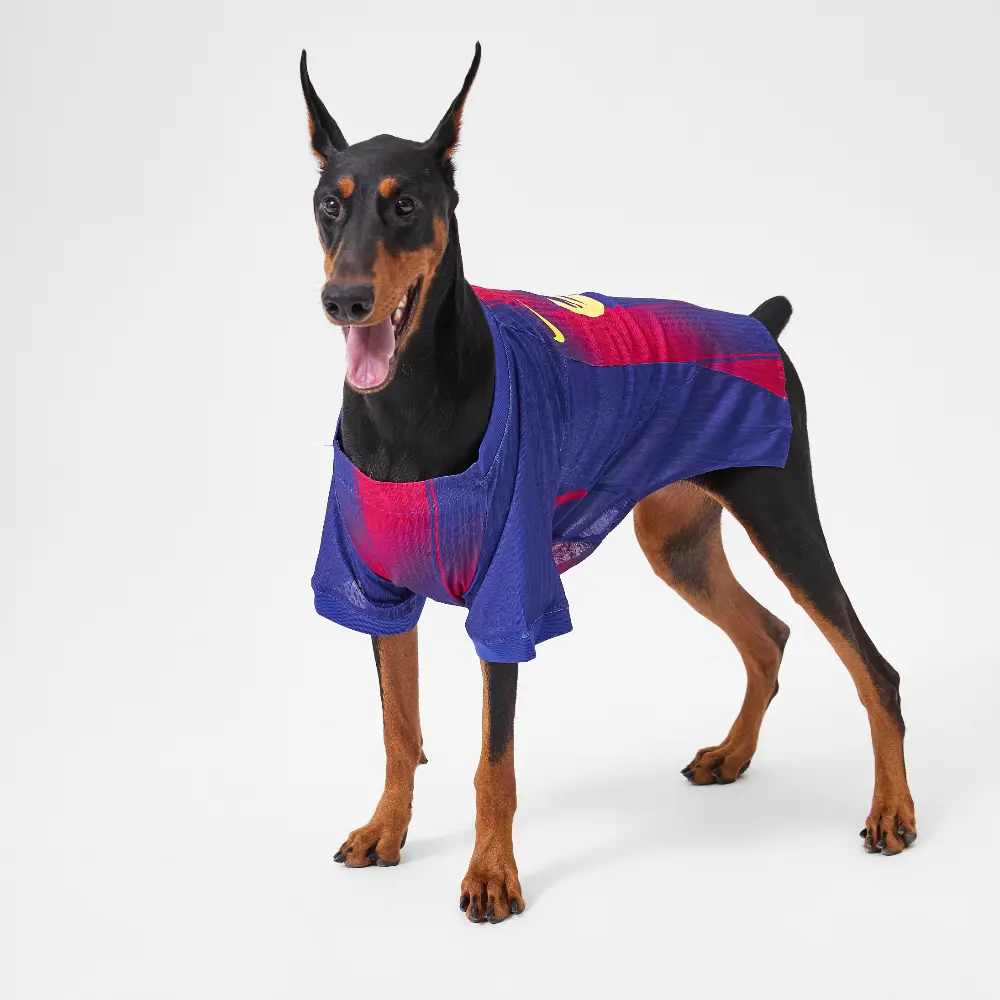
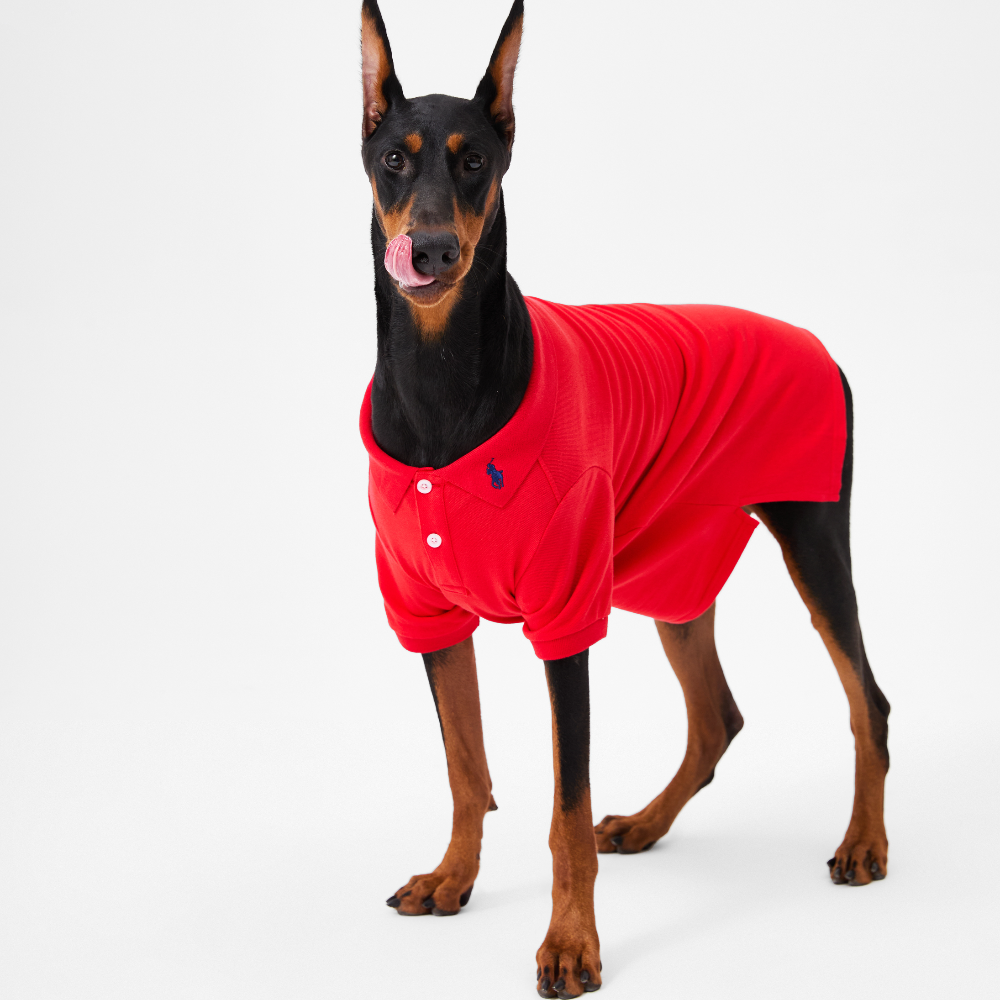
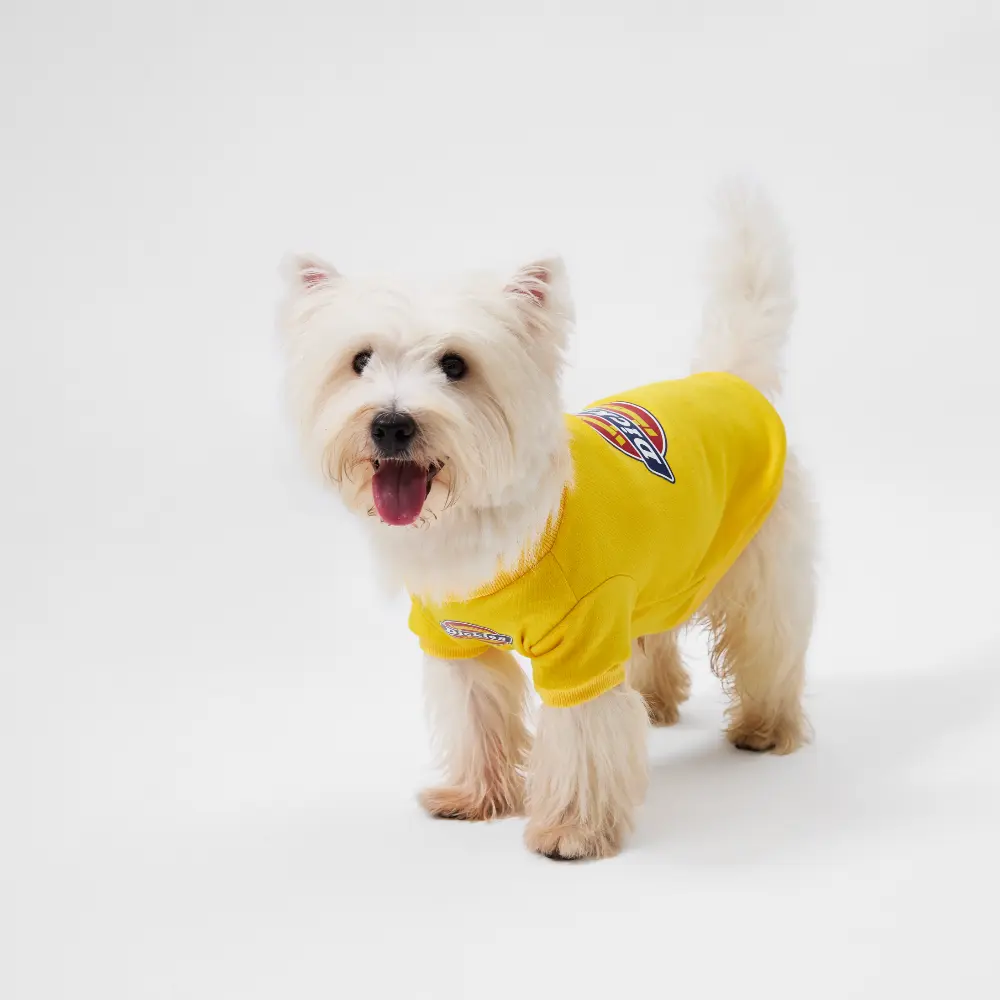
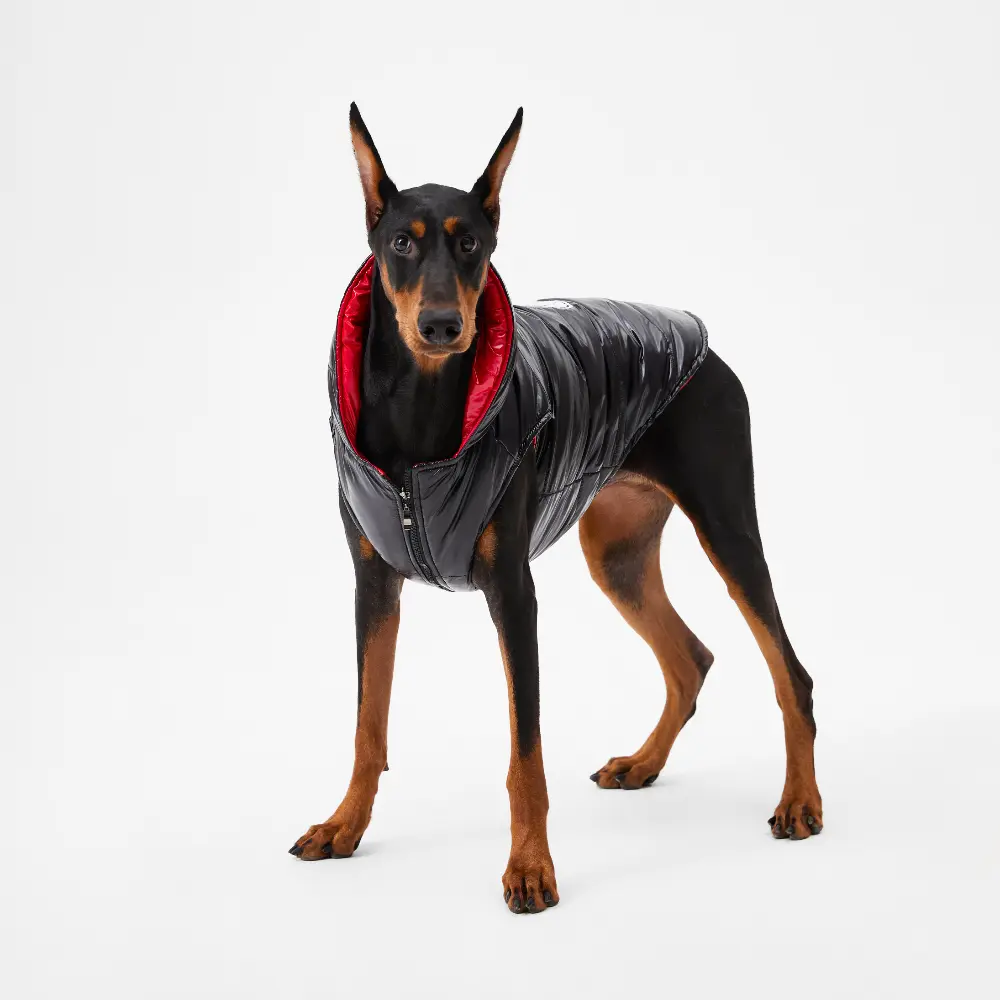
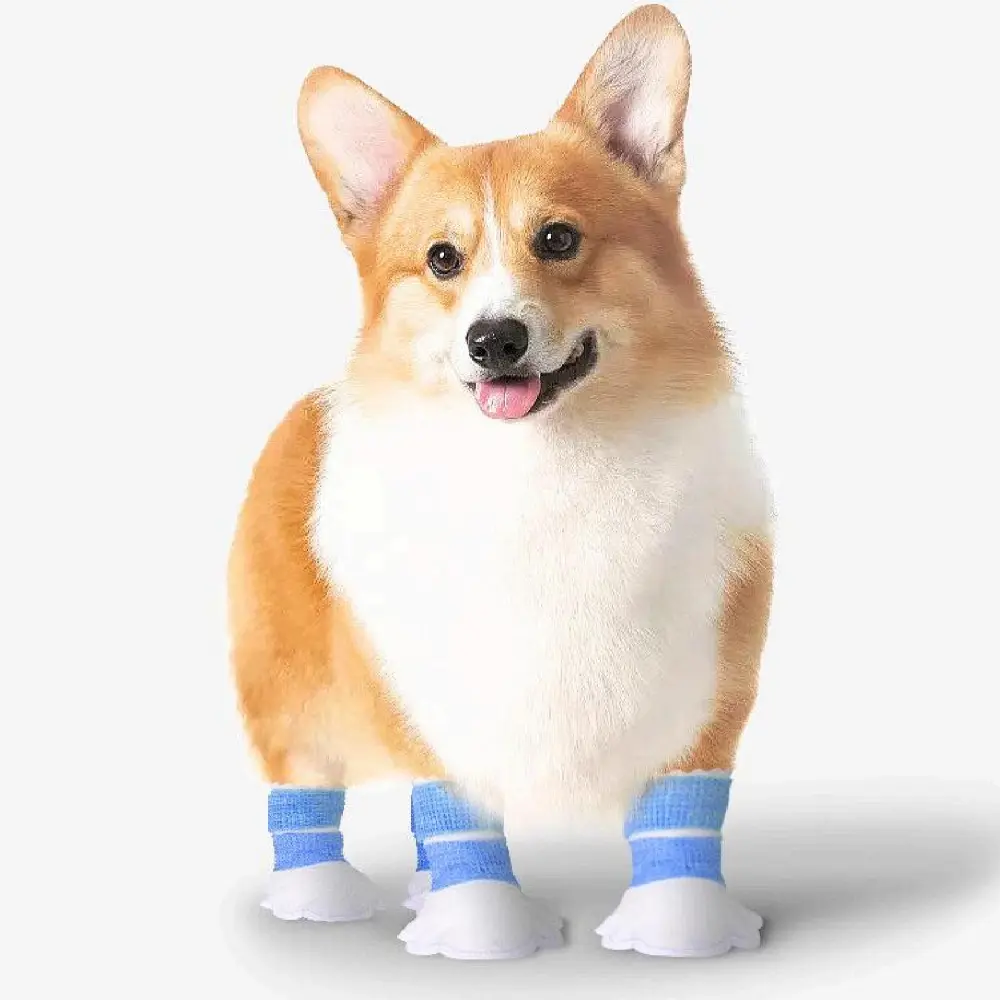


It’s great to see how the humanization of pets is driving such strong growth in the sustainable pet fashion market. As consumers become more mindful of both their pets’ needs and environmental impact, it’ll be interesting to see how brands balance these priorities in the coming years.